Why Journaling Is Important for Your Wellbeing, Faith, and Personal Growth in 2026
Coleen Myers
Share
In a world that rarely slows down, journaling has become one of the most powerful tools for mental clarity, emotional wellbeing, and intentional living. More than just writing thoughts on a page, journaling helps you process emotions, strengthen gratitude, deepen faith, and create structure in your daily life.
Whether you’re new to journaling or returning after a break, having the right tools, such as a guided diary, a gratitude jar, or a Bible verse jar, can transform journaling from something you intend to do into a habit you actually keep.
Why Journaling Is So Important
1. Journaling supports mental and emotional wellbeing
Writing your thoughts down helps release mental overload. Instead of carrying stress internally, journaling gives your emotions somewhere safe to land. This can reduce anxiety, improve mood, and support emotional regulation.
Many people use journaling as a grounding routine, especially during seasons of change, grief, pressure, or uncertainty.
2. Journaling builds self-awareness and clarity
When you journal consistently, you begin to notice patterns:
- How you respond to situations?
- What fuels (energies) or drains you?
- Where you may be stuck or growing?
A structured diary supports this process by guiding you through daily reflections, intentional planning, and regular check-ins which help you move from scattered thoughts to focused action.
3. Gratitude journaling shifts your mindset
Gratitude journaling is one of the simplest but most effective ways to reframe your thinking. Writing down what you’re thankful for, even small moments, trains your mind to notice what’s going right, not just what’s missing.
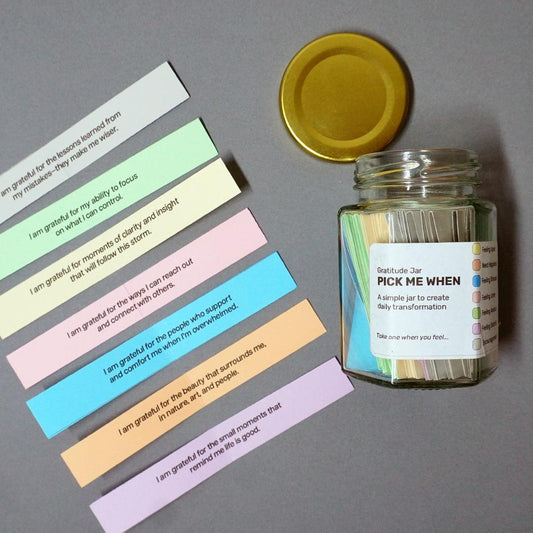
Using a Gratitude Jar or Affirmation cards adds a tactile, visual element:
- Write moments of gratitude on small cards
- Place them in the jar daily or weekly
- Revisit them during challenging seasons
Over time, your jar becomes a physical reminder of God’s goodness, progress, and answered prayers.
4. Faith-based journaling deepens your spiritual life
For many, journaling is also a form of prayer. Faith journaling allows you to:
- Reflect on scripture
- Write prayers honestly and openly
- Track spiritual growth
- Record moments of encouragement and revelation
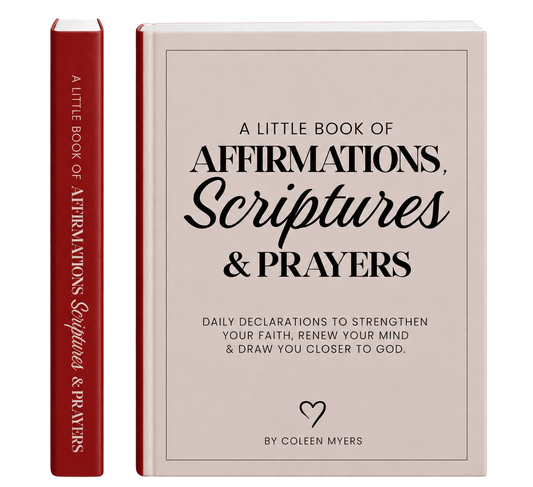
A Bible Verse Jar supports this beautifully. Each verse can act as:
- A daily reflection prompt
- A prayer focus
- An encouragement during stress, sadness, or uncertainty
Scripture-based journaling brings alignment between your faith, thoughts, and actions, helping you stay rooted even in busy seasons.
How to Journal Effectively (Without Overthinking It)
You don’t need to write pages every day. Consistency matters more than quantity.
Simple journaling tips:
- Journal for 5–10 minutes a day
- Write freely, no editing or perfection
- Use prompts when you feel stuck
- Pair writing with prayer or reflection
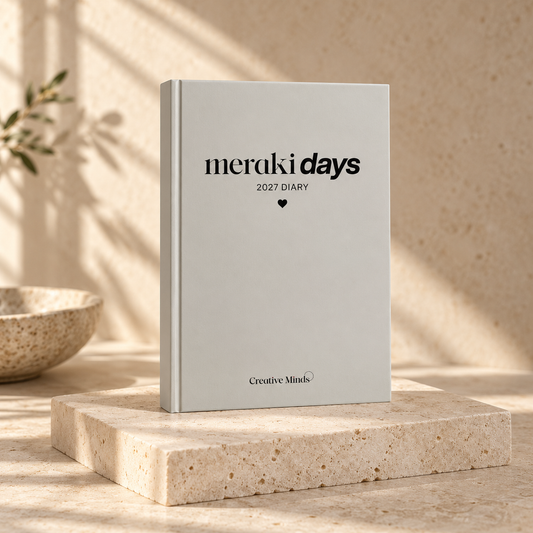
A guided tool like the Meraki Diary removes decision fatigue by giving you structure while still allowing space for creativity and honesty.
How to Use Journaling Prompts
Journaling prompts help you go deeper, faster. They are especially useful when you:
- Feel emotionally overwhelmed
- Don’t know what to write
- Want intentional growth
- Are journaling with faith in mind
Example Journaling Prompts
Reflection
- What has been weighing on my heart lately?
- What do I need more of in this season?
Gratitude
- Three things I’m grateful for today
- Where did I see God’s provision recently?
Growth & Intentions
- What am I learning about myself?
- What do I want to release this month?
Faith-Based Prompts
- What am I trusting God with right now?
- Which scripture is speaking to me in this season?
Pull a card from your Bible Verse Jar, read it slowly, then journal what it stirs in you. This simple practice can turn journaling into a daily devotional moment.
moment.
Creating a Sustainable Journaling Habit
To make journaling part of your lifestyle:
- Keep your diary visible and accessible
- Use prompts, jars, or verse cards to stay inspired
- Miss a day? Start again without guilt
- Allow your journaling style to evolve
Combining tools — a Meraki Diary for structure, a Gratitude Jar for perspective, and a Bible Verse Jar for spiritual encouragement — creates a holistic journaling rhythm that supports your whole life.
Final Thoughts: Journaling as an Act of Intention
Journaling is an act of self-care, self-awareness, and faith. It creates space to pause, process, and reconnect with yourself and with God.
You don’t need the perfect words.
You just need the willingness to begin.
With the right tools and gentle consistency, journaling can become a life-giving habit that supports your wellbeing, strengthens gratitude, and anchors your faith, one page, one prompt, one prayer at a time.